If you start your day with a cup of coffee, you’ve managed to synchronise your morning routine with 75% of Australia. If you finish the day with three cups under your belt, then you’re buzzing along with 28% of the nation.
Knowing this, would you consider your barista, and the coffee they serve you, an important part of your life?
Most people would say yes because their nickname’s probably “Small Latte with a Sugar”.
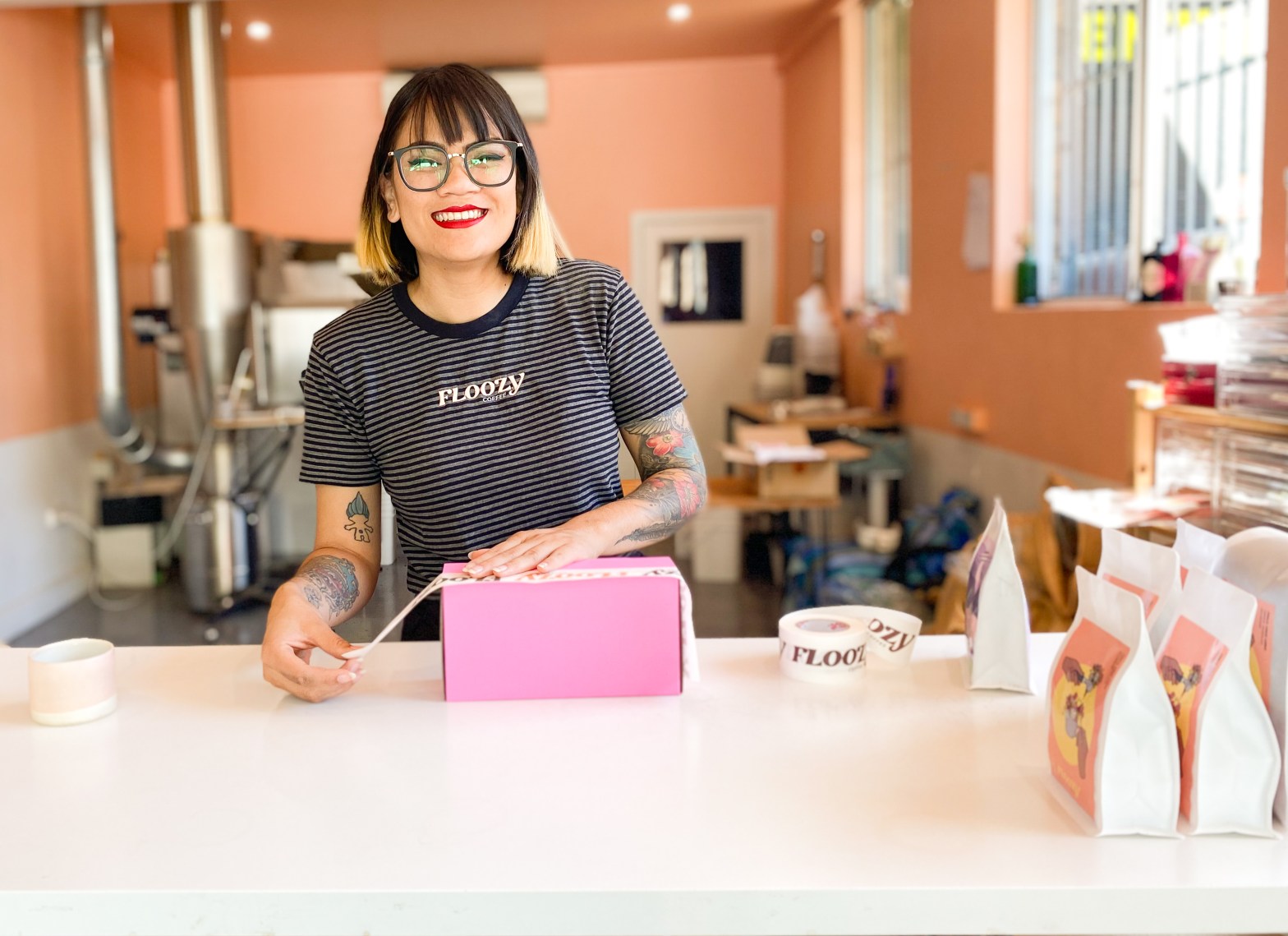
The coffee industry is BOOMING and people like Kmac, the owner of Floozy Coffee Roasters, are keeping our love affair with coffee alive and strong.
“What kind of barista am I? I see myself as someone who’s happy to make the coffee that makes others happy, whoever you may be,” Kmac said (aka, Oat Flat White).
What makes Floozy stand out to us amongst the ten plus Newcastle-based specialty coffee roasters? Kmac’s not only dedicated to making the coffee we drink sustainable, ethical, accessible and delicious, she’sadvocating for diversity throughout the industry.
“I believe that diverse teams are the best functioning teams,” she said.
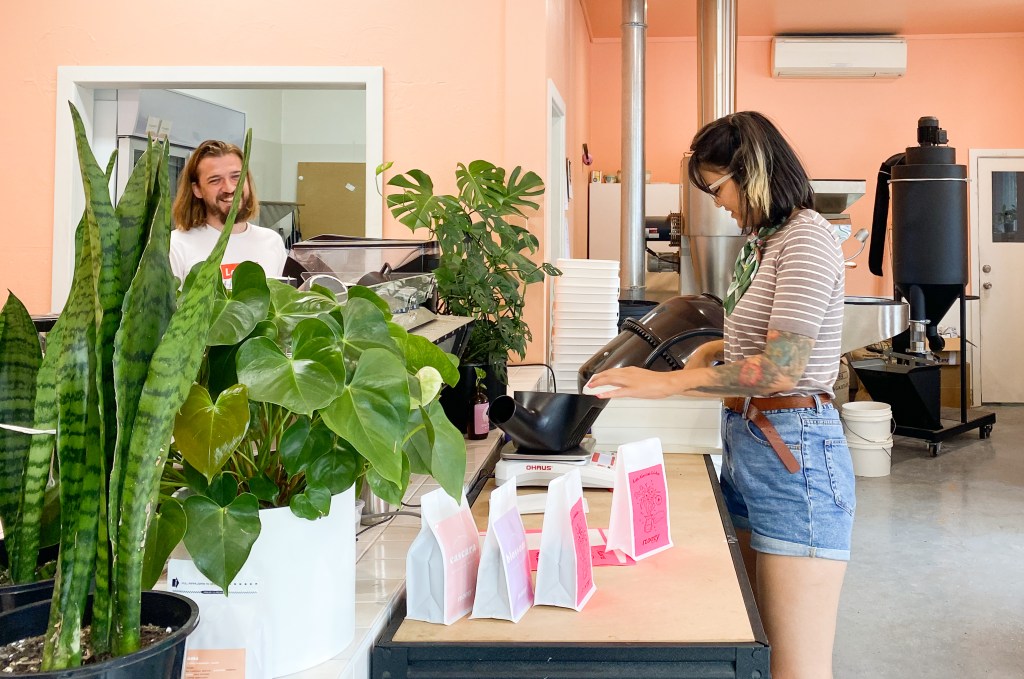
This edition of The Everyday Project is going to be a little different. We’re diving into your morning cup of coffee and getting to know the people who made it.
From the farm to our cup, we’re taking a brief tour of the specialty coffee industry through a Floozy flavoured lens.
A quick side note before we get into it:
Specialty coffee is different from the coffee we get at supermarkets. It’s specifically grown in high altitudes in countries like Colombia, Brazil and Kenya. It’s then roasted to achieve the best flavour potential and perfectly brewed for our tasty consumption. A lot of effort is put into every step along the supply chain to ensure the quality of the coffee bean.
Meet Kmac
Kmac (aka, Kristy Mujana) describes her adventure into the world of specialty coffee as a rabbit hole that she never left.
When working at Esther C. (the first café owned by Kmac and her partner, Hal), Kmac noticed a trend in the specialty coffee industry.
“It was in 2015 and there was that ‘Newcastle can be a mini-Melbourne’ vibe happening. There was the expectation of that super hip barista, wearing a flanno who probably had a beard.
That image started to really grate on me.
Kmac
In Australia, women make up 55% of the hospitality workforce but only 9.8% are leaders in the industry.
“Any woman in any industry should feel a little bit fired up about the gender pay gap and less women in power,” she said.
“When it comes to sourcing coffee, I want to make sure everything is fair and always consider who I want to be buying from.”
From farm to cup: where are the females?
When you look on the back of your specialty coffee bag, it’ll tell you where the coffee was grown, who grew it and what it tastes like. Knowing exactly what you’re drinking every morning has an important knock-on effect felt by everyone in the industry, including the farmers.
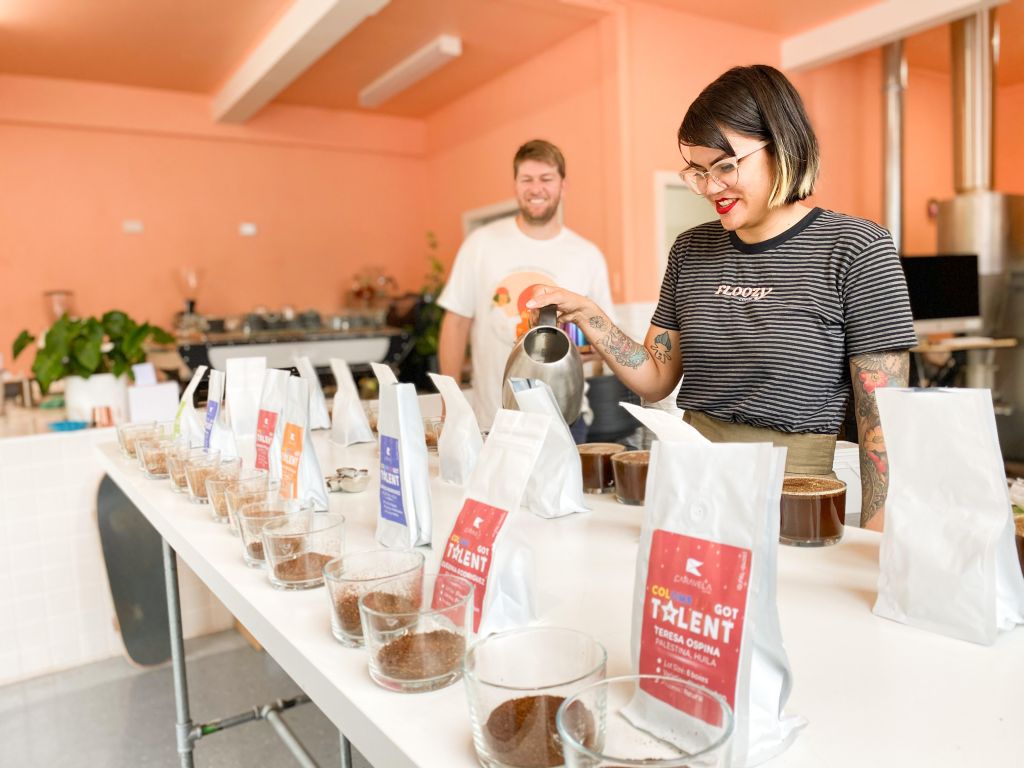
By purchasing coffee from female producers where possible, Floozy’s supporting equality and diversity from the bottom up.
It’s impossible to truly know what life’s like as a woman in coffee farming from the other side of the plant, but through the help of companies like Floozy we can get an idea.
Floozy introduced us to Sonia Imbachi’s coffee back in 2019, and her story is going to help us understand why conscious sourcing is so important.
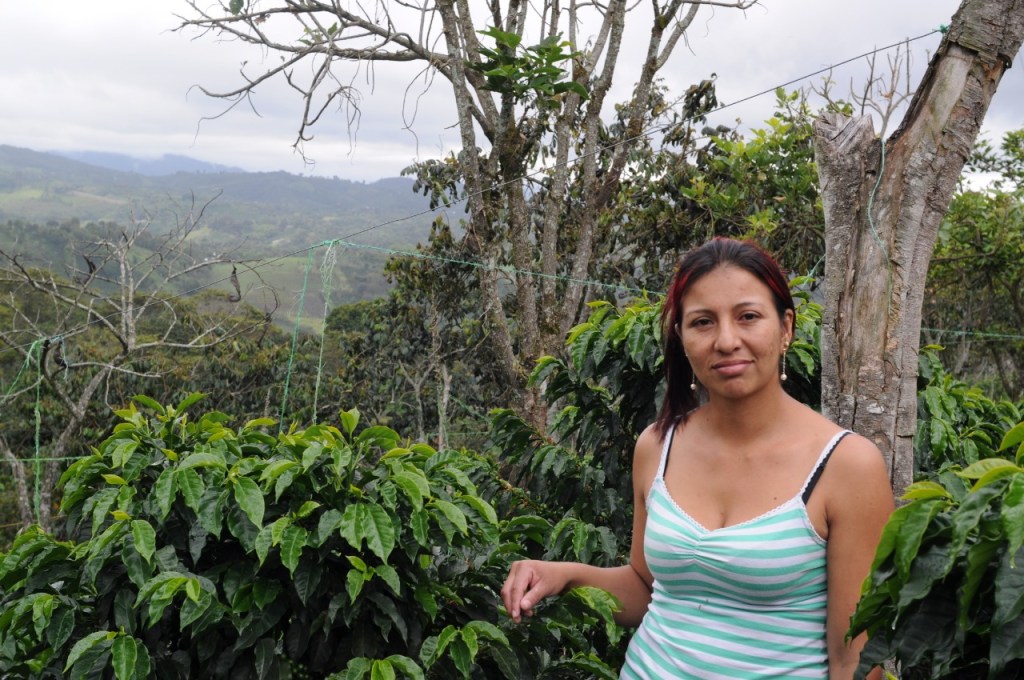
The Imbachi family has been growing coffee in the town of San Augustine in the very south of Columbia (1,800 metres above sea level) for more than 30 years.
By the age of 12, Sonia was enwrapped in her family’s passion for coffee and soon became invested in the processes and the quality of the product. She eventually inherited 3 hectares of farming land and started exporting her own specialty coffee around the world.
Sonia is among the minority of women in the coffee producing countries of Africa, and Central and South America.
Women make up 70% of the labour force but only represent one-fifth of the coffee producers worldwide, which is estimated to be 25 million.
Women in coffee producing countries deal with obvious disparities compared to their male counterparts on a daily basis, with low levels of empowerment and capacity to exercise agency.
According to the International Coffee Organization’s 2018 report on Gender Equality in the Coffee Sector, the issues stem from limited access to resources, particularly land and education.
The reason why women own less land differs with each country, however, the main causes remain to be male preference in inheritance, marriage, and male bias in land distribution programs.
If a woman eventually ends up with a block of land like Sonia, it’s often much smaller than the average farm. This means that their harvest is smaller, their income is lower, and the gap remains wide.
The cherry on top is the ‘significant difference’ in years of schooling and literacy rates between men and women in almost every coffee producing country.
How can she successfully run a farm and contribute to international exports without a proper education?
“We buy as much female produced coffee where we can. The laws and systems are different in every country but it’s important for us to support these women,” Kmac said.
“What’s the saying? … Vote with your wallet! Money speaks, so it’s important to show that there is a market for female produced coffee, and we want it.
“At the same time there is a lot to be said about people who have joint ownership of farms with their partners. I’m not going to discount their coffee because there’s a man involved.”
Consciously roasting
By investing in a female’s role in coffee, Floozy’s contributing to programs that even the playing field and recognises the participation of women in all aspects of the coffee industry.
“I believe that empowering women in coffee is a really important thing, but I also believe that diverse teams are the best functioning teams.
“We want to strive for diversity, and we want to help any way we can,” Kmac said.
Running a business with social consciousness front of mind also inspires Floozy’s environmental commitments. Kmac takes every step necessary to make coffee a sustainable industry.
As we see the climate changing, we may not be drinking coffee in years to come if it continues the way it is.
Kmac
“We’re committed to ensuring that everything we do is adding value to the industry by how we source, roast and sell our coffee.
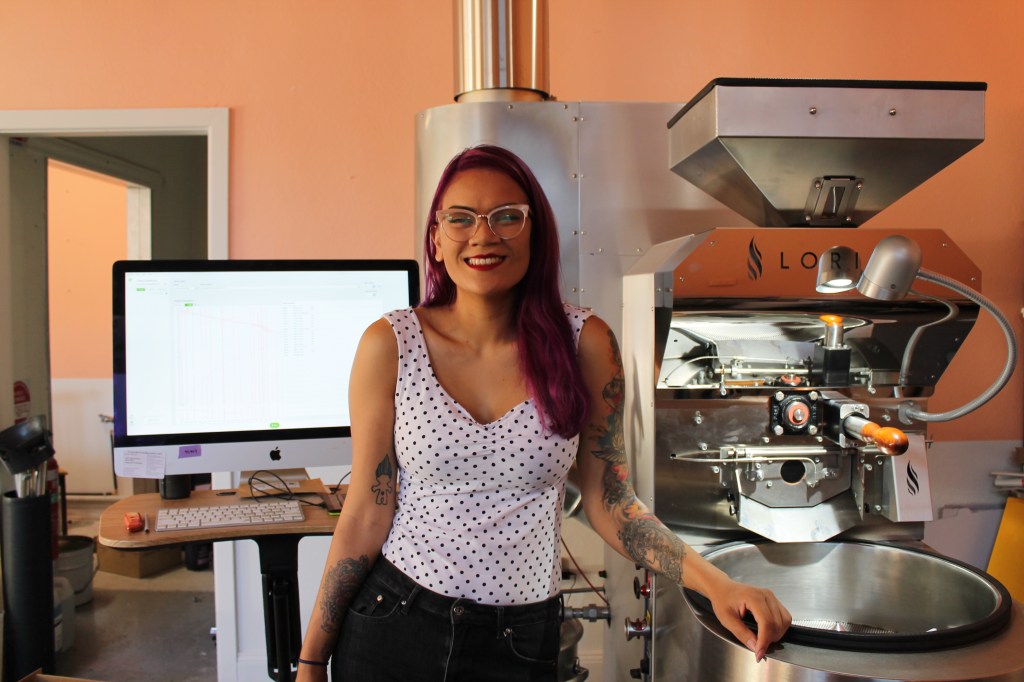
“That’s why we chose a roasting machine that uses 83% less fuel that traditional roasters, and compost, reuse, recycle and up-cycle everywhere we can,” she said.


As Australian’s we love our coffee and in turn, we want to show love to the people who made it.
It’s almost impossible to stay on top of everything that’s going on in our own world, let alone in the coffee farms of Colombia.
That’s why companies like Floozy and people like Kmac exist, to shine a light on areas of the world we didn’t know about and to help us develop as conscious consumers.
The Everyday Project is powered by coffee, in fact this blog was written over several cups of it. So, it only makes sense to want to show appreciation for what’s getting us out of bed in the morning.
It’s the small acts that pile up to make a difference. So, when you feel that caffeine vibrating through your bloodstream, you can know that it’s thanks to some pretty amazing, hardworking people.
Please note:
The specialty coffee industry is so deep and complex that it’s impossible to cover every aspect concisely and the statistics gained from research in these areas can vary in accuracy as we’re often dealing with the resources of underdeveloped countries.
 the-everyday-project.com